
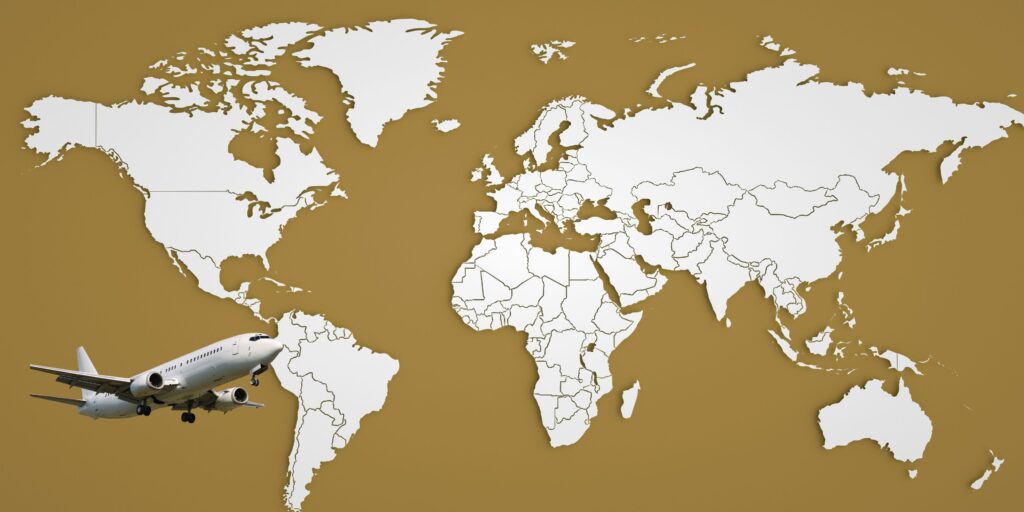
Aviation Maintenance Mobility
Aviation maintenance is one of the most globally transferable technical careers due to standardized aircraft systems and internationally aligned maintenance procedures. However, real mobility depends on licensing systems, experience, and regulatory approval rather than technical skills alone.
For students and technicians planning an international career, understanding how mobility actually works is essential to avoid unrealistic expectations and to build a structured career path in aviation maintenance.
Why aviation maintenance is globally transferable
Aircraft such as Airbus and Boeing models are maintained worldwide using standardized technical documentation and procedures. This creates a strong baseline of transferable skills across different regions and operators.
However, while technical knowledge is consistent globally, the authority to certify maintenance work remains controlled by aviation regulators such as EASA and FAA.
Licensing as the main barrier
Licensing is the main limitation to mobility in aviation maintenance. EASA and FAA systems are not directly interchangeable, meaning technicians must either convert licenses or work under approved organizations depending on the region.
This regulatory structure defines where a technician can legally work, regardless of technical ability or experience.
Where international mobility is strongest
Europe offers the highest structured mobility under the EASA system, allowing technicians to work across multiple countries within a unified regulatory framework.
The Middle East also offers strong demand for experienced technicians, while Asia continues to expand but with more varied regulatory alignment depending on the country.
What actually enables global careers
International mobility depends not only on licensing but also on experience in approved MRO environments, aircraft type ratings, and exposure to operational maintenance conditions.
English communication and technical documentation skills are also essential in international aviation environments where standardized procedures must be followed.
Misconceptions about mobility
A common misconception is that obtaining a license alone guarantees international employment. In reality, employers evaluate a combination of licensing, hands-on experience, and aircraft familiarity.
Mobility in aviation maintenance is structured and experience-driven, not automatic after certification.
Final perspective
Aviation maintenance offers strong international career potential, but mobility follows a structured progression rather than a direct path. Technicians who combine licensing, operational experience, and adaptability are best positioned for global opportunities.
For students entering the industry, the opportunity is international—but must be actively built over time.
Spread knowledge on maintenance procedures
Facebook
Twitter
LinkedIn
Subscribe to our newsletter
You will receive all our latest aircraft maintenance news for free in your email
Explore Related Articles

Airline, MRO, or OEM? Comparing Career Paths for EASA-Licensed Technicians
September 14, 2026
No Comments
Read More »
Check out these articles to deepen your knowledge in aviation maintenance and technical standards. Each piece will enhance your understanding and keep you updated on the latest in the field.
September 7, 2026
No Comments
Why the B1 and B2 License Is the Most In-Demand Credential in Global MRO and What It Pairs Best With
Read More »
August 31, 2026
No Comments