
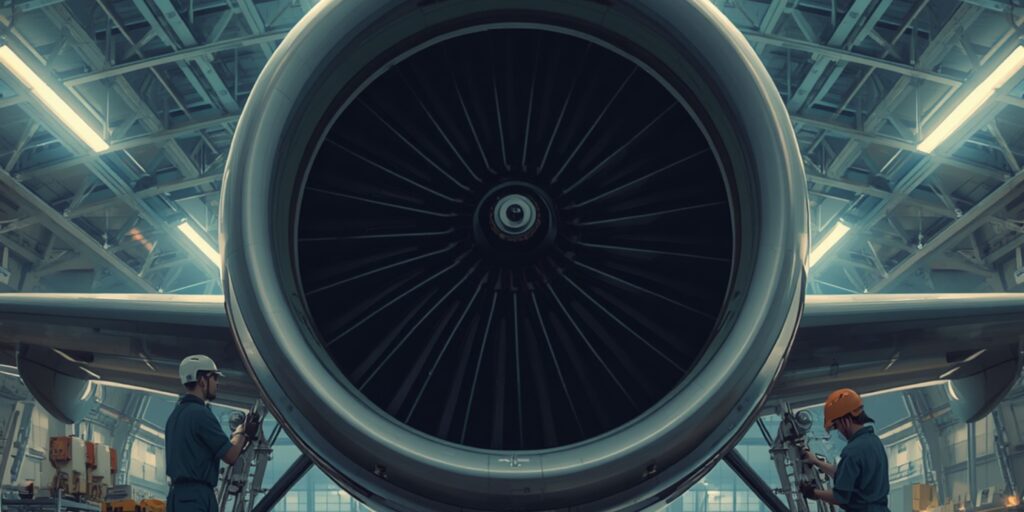
How is aviation maintenance still a stable career in 2026?
The aviation maintenance industry in 2026 continues to show strong long-term stability, even as many other technical sectors face disruption from automation, outsourcing, and changing workforce models. Aircraft maintenance remains a safety-critical function that cannot be eliminated, reduced, or significantly delayed without directly impacting airline operations.
Stability in aviation maintenance is not based on tradition, but on structural demand, regulatory requirements, and operational necessity across global MRO environments.
Structural demand in aviation maintenance operations
Aircraft maintenance demand continues to grow due to increasing global fleet size, extended aircraft lifecycles, and ongoing delays in new aircraft deliveries.
Airlines are operating older aircraft for longer periods, which increases the frequency of scheduled maintenance checks and unscheduled repair events. This creates continuous demand for aircraft technician roles across line maintenance and base maintenance environments.
At the same time, maintenance workloads are not evenly distributed, with engine maintenance, component repair, and heavy checks creating consistent backlogs in many MRO facilities.
This structural imbalance between aircraft availability and maintenance capacity is a key factor supporting long-term career stability in aviation maintenance.
Workforce shortage in aircraft maintenance careers
One of the main reasons aviation maintenance remains stable in 2026 is the ongoing shortage of qualified technicians across Europe and globally.
A large portion of experienced aircraft engineers are approaching retirement, while the inflow of newly licensed technicians is not sufficient to replace them at the same rate.
This imbalance is particularly visible in EASA-regulated environments, where licensing requirements such as EASA Part-66 create a structured but time-intensive pathway into the profession.
As a result, qualified technicians in MRO operations in Europe continue to be in high demand, supporting strong employment stability and long-term job security in aviation maintenance careers.
Regulatory requirements and safety-critical nature of MRO work
Aviation maintenance remains one of the most heavily regulated industries in the world, which directly contributes to its stability.
Aircraft cannot operate without certified maintenance procedures, approved data, and licensed personnel signing off airworthiness documentation. This regulatory framework ensures that maintenance work cannot be automated away or significantly reduced.
EASA Part-145 maintenance organization approval and EASA Part-66 licensing requirements ensure that aircraft maintenance must always be performed by qualified personnel under strict compliance systems.
This creates a structural barrier to entry and reinforces long-term job stability within aircraft maintenance environments.
Increasing technical complexity of modern aircraft
Modern aircraft systems are becoming more complex, particularly with new-generation engines, advanced avionics, and integrated digital systems.
This complexity increases the need for specialized troubleshooting, component-level diagnostics, and structured maintenance procedures. Aircraft maintenance is no longer limited to mechanical inspection but now includes electrical systems, software-driven diagnostics, and predictive maintenance tools.
As aircraft systems evolve, the demand for skilled technicians who can interpret technical data and perform precise maintenance tasks continues to grow.
This ongoing increase in technical complexity strengthens the long-term relevance of aviation maintenance careers.
Digital transformation and evolving MRO environments
While aviation maintenance is becoming more digital, this transformation is supporting rather than replacing technicians.
Predictive maintenance systems, digital technical logs, and aircraft health monitoring systems are improving efficiency in MRO operations, but they still require certified personnel to interpret data and perform physical maintenance actions.
Digital tools are changing how maintenance is planned and executed, but not eliminating the need for hands-on aircraft technicians.
This combination of digital systems and manual execution is reinforcing the importance of adaptable technicians in modern aviation maintenance environments.
Overall stability of aviation maintenance careers in 2026
Aviation maintenance remains a stable career in 2026 because it is built on structural demand, regulatory requirements, workforce shortages, and increasing technical complexity.
While the industry continues to evolve through digitalization and operational optimization, the core requirement for certified aircraft maintenance personnel remains unchanged.
For this reason, aviation maintenance continues to offer long-term career stability for technicians who are properly licensed, operationally competent, and adaptable to evolving MRO environments.
Spread knowledge on maintenance procedures
Facebook
Twitter
LinkedIn
Subscribe to our newsletter
You will receive all our latest aircraft maintenance news for free in your email
Explore Related Articles

Check out these articles to deepen your knowledge in aviation maintenance and technical standards. Each piece will enhance your understanding and keep you updated on the latest in the field.
October 9, 2026
No Comments
October 5, 2026
No Comments