How many years of experience are needed for an EASA B1 or B2 license?
Experience Required by License Category
Obtaining an EASA Part-66 license requires a combination of academic knowledge and practical experience. The amount of experience required varies depending on the license category and the pathway chosen by the candidate. For a B1 Mechanical license, technicians typically need two to three years of relevant practical experience if they have completed EASA-approved basic training. For the B2 Avionics license, the duration of required experience can extend up to five years, particularly for those entering through the experience-based pathway without prior EASA-approved formal training.
Relevance and Quality of Practical Experience
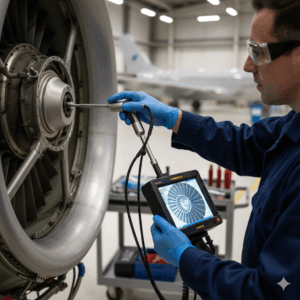
Experience must be not only practical but also relevant to the maintenance of aircraft covered by EASA regulations; this means that every hour spent working on airframes, engines, or avionics systems should contribute directly to the development of skills aligned with the Part-66 requirements. Moreover, experience must be documented in a way that is verifiable and traceable, demonstrating the technician’s ability to carry out complex maintenance tasks safely and efficiently. In essence, the quality, diversity and relevance of the work performed are just as important as the total time accumulated.
Validating Prior Experience and Efficient Training
Technicians who have previous experience may often validate part of their training, which reduces the number of modules or examinations required to obtain the license. By analysing prior experience carefully, candidates can focus on filling any gaps rather than repeating basic content, making the process more efficient. At 360 Aviation Life, we assist professionals in assessing their experience, identifying areas that need reinforcement, and preparing the necessary documentation to meet EASA Part-66 standards.
Impact of Experience on Career Opportunities
Meeting these experience requirements has a significant impact on career prospects. The Part-66 license not only certifies technical competence but also signals to employers that the technicians have the practical expertise needed to perform maintenance at a high standard. This opens doors to employment opportunities in airlines, Part-145 organizations, and business aviation, both in Europe and internationally. With the right preparation, experience can become a strong foundation for a long term, globally mobile aviation career.
How 360 Aviation Life Supports Technicians
At 360 Aviation Life, we guide technicians though the practical and administrative aspects of meeting EASA experience requirements. From reviewing work history to providing advice on documentation and logbook preparation, our support ensures that each candidate is fully prepared to present a compelling case for their practical experience ensures success in obtaining the Part-66 license and establishes a strong career trajectory in aviation maintenance.
Ready for the next step? Explore our EASA Part-66 B1/B2 aircraft maintenance licence course, 100% online and designed for working technicians.